
Every cabin, whether a weekend A-frame or a six-bedroom mountain lodge, needs the same core set of amenities: clear arrival instructions, reliable Wi-Fi, quality bedding and towels, working heating and air conditioning, a stocked kitchen, and functioning smoke and carbon monoxide alarms. This baseline applies equally to small getaways and larger seasonal rentals, and owners who list these details upfront set clearer expectations and field fewer questions during a stay.
TL;DR:
- Ensuring arrival instructions, Wi-Fi, bedding, and safety alarms are reliable and clearly communicated prevents guest frustrations and reduces last-minute questions.
- Regularly inspecting each room for structural issues, proper appliance function, and safety compliance minimizes costly repairs and enhances guest experience.
- Upgrading to high-demand amenities like hot tubs, outdoor living spaces, and pet-friendly features can significantly increase booking rates and guest satisfaction.
- Owners should follow a strict maintenance routine, including annual inspections and safety device checks, to guarantee ongoing safety and operational reliability.
- Accurate listing of amenities, with matching photos and transparent safety information, helps attract the right guests and reduces disputes or complaints.
Table of Contents
- The essentials shortlist for owners and renters
- A room-by-room checklist for equipping and inspecting a cabin
- Standout amenities that boost bookings and guest satisfaction
- Safety, accessibility, and maintenance rules owners should not skip
- A step-by-step turnover and check-in workflow
- How regional platforms help owners get amenities right
- What years of cabin ownership teach about priorities
- List your cabin or find one with the amenities that matter
- Sources
- FAQ
The essentials shortlist for owners and renters
Before adding anything that makes a cabin feel special, get the fundamentals right. These are the items that determine whether a guest leaves a good review or a frustrated one, and they cost little to put in order.
Start with arrival. Guests want to know exactly how to get in without waiting on a phone call. A lockbox or smart lock paired with written directions solves most check-in friction, and it cuts down on late-night texts asking where the driveway actually starts.
Comfort basics come next: fresh linens, enough towels for every guest, a thermostat that responds quickly, and lighting that works in every room. Blackout curtains matter more in cabins than in city apartments, since mountain mornings arrive early and bright.
Connectivity rounds out the must-haves. Wi-Fi speed and a note about which streaming services are already logged in on the TV save owners from repetitive troubleshooting texts.
- Arrival and check-in: clear directions, a working contact number, and self check-in through a lockbox or smart lock.
- Comfort basics: clean linens, ample towels, responsive heating and air conditioning, and blackout curtains in bedrooms.
- Connectivity and entertainment: dependable Wi-Fi and a printed note on TV or streaming setup.
- Kitchen basics: a working stove, refrigerator, coffee maker, basic cookware, and starter items like coffee, salt, pepper, and cooking oil.
- Safety and hygiene: smoke and carbon monoxide alarms, a stocked first-aid kit, hand soap, and extra trash bags.
- Practical extras: hangers, an ironing board, flashlights, and spare batteries.
Pro Tip: Photograph every amenity you list, from the coffee maker to the fire extinguisher location. Listings with photo-matched amenities generate fewer “is this actually included” messages.
A room-by-room checklist for equipping and inspecting a cabin
Walking through a cabin room by room, the way a guest would on arrival, catches gaps that a general list misses. This is the sequence experienced owners use when staging, photographing, and inspecting between stays.
- Entry and mudroom. Durable flooring that shrugs off wet boots, hooks or a bench for gear, and bright lighting near the door make the first impression count. Post parking instructions and key access details right at the entry, not buried in an email.
- Kitchen. Inventory every appliance and pot before each season: stove, oven, microwave, dishwasher, coffee maker, and enough plates and glasses for the advertised occupancy. Keep a fire extinguisher mounted within reach of the stove, and label pantry basics so guests know what is fair game to use.
- Bathroom. Stock basic toiletries, confirm the exhaust fan actually clears steam, and add non-slip mats in the tub or shower. If you plan to make the space more accessible later, blocking the wall now for a future grab bar saves a demolition job down the road.
- Bedrooms. Mattress quality shows up in reviews faster than almost anything else. Pair a solid mattress with blackout curtains, a luggage rack, and enough hangers in the closet for a full group’s wardrobe.
- Living area. Seating should match the occupancy you advertise, not fall short by two chairs. Leave a laminated card near the TV with basic troubleshooting steps, since remote-area Wi-Fi resets are the most common guest complaint.
- Outdoor space. Check deck railings for wobble, confirm the grill has propane and clear instructions, and if there is a hot tub, note its use guidelines along with a structural note that heavy tubs need engineered decking or a slab, not a standard deck frame. Exterior lighting along steps and paths prevents after-dark stumbles.
- Utilities and systems. Know where the water shutoff and breaker panel are, and keep that information posted for yourself and any remote caretaker. Cabins in four-season markets need a clear winterization routine, including drain valves and labeled shutoffs that make emergency service calls faster when a pipe freezes.
Pro Tip: Keep a laminated one-page utility map in a kitchen drawer. It saves you from talking a panicked guest through breaker locations over the phone at midnight.
Standout amenities that boost bookings and guest satisfaction
Once the basics are covered, a handful of upgrades reliably move a listing from average to booked out. These are the amenities guests filter by when they have several similar cabins to choose from.
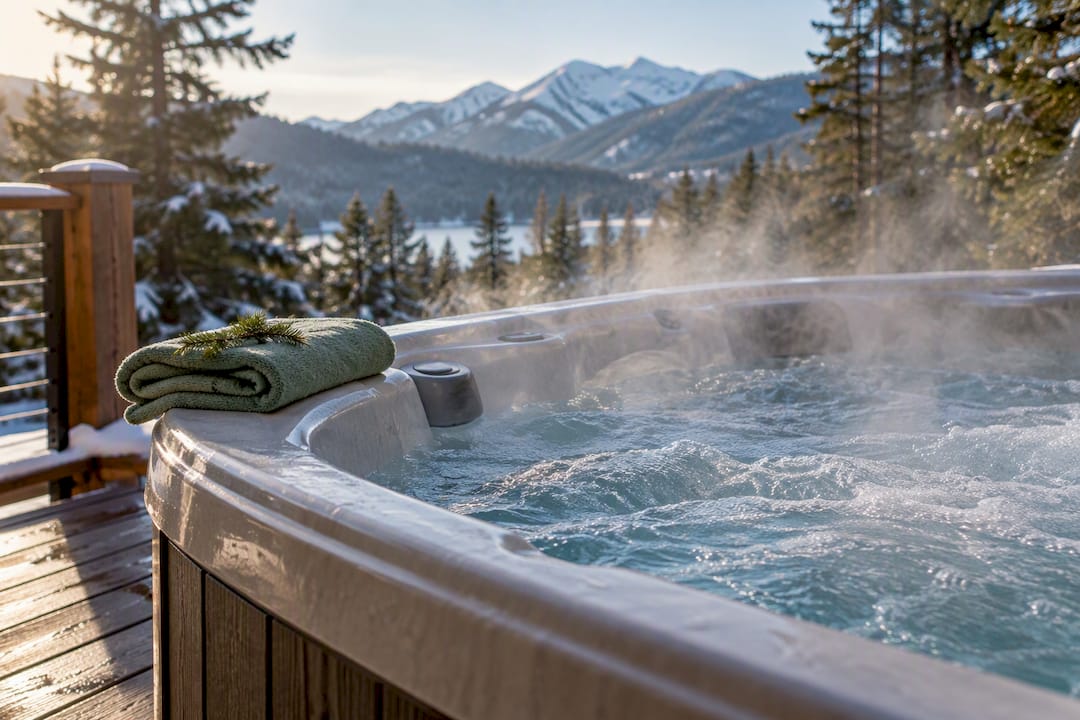
Hot tubs top that list. Guests actively search for them, and placing one close to the entry rather than at the far end of a deck cuts down on cold walks in winter. The structural consideration matters here: a filled hot tub can weigh several thousand pounds, so it belongs on an engineered deck or a concrete pad, not bolted onto a standard residential deck frame. Budget for regular water testing and filter changes, since a cloudy tub kills more reviews than almost any other single issue.
Outdoor living space extends the rentable season. A covered porch keeps guests outside during light rain, and a fire pit or a patio heater stretches cabin use well into shoulder-season months when temperatures drop after sunset.
- Entertainment: stock a shelf of board games suited to the region, add an arcade-style game if space allows, and make sure the TV is streaming-ready with accounts locked to prevent guests from logging out the next renter.
- Comfort upgrades: a higher-end mattress, hotel-weight towels, and in-unit laundry consistently show up in five-star reviews.
- Pet-friendly touches: a pet bed, a small fenced yard section, and a designated spot to store leashes and cleaning supplies make pet owners choose one cabin over another.
Vacation rental amenities that guests search for most often include Wi-Fi, a full kitchen, climate control, free parking, and a coffee maker, and these are frequently the deciding filters on booking sites before a guest ever reads a full description.
Safety, accessibility, and maintenance rules owners should not skip
Some items on this list are not optional extras, they are baseline responsibilities. Interconnected smoke alarms belong on every level and outside each sleeping area, paired with carbon monoxide detectors near fuel-burning appliances and attached garages. Keep a fire extinguisher in the kitchen and, for larger cabins, one on each floor, plus exit lighting for any hallway or stairwell that gets dark.
Accessibility deserves specific attention. Under ADA lodging guidance, properties offering transient lodging need to provide or clearly describe accessible guestrooms, including layout details and information about shower or tub types and grab bar availability, so reservation staff can answer a guest’s questions accurately before booking.
Moisture control protects the building itself. Balanced ventilation and controlled humidity reduce the mold risk that tight, well-insulated cabins are prone to, and retrofitting ventilation later costs far more than planning for it during construction.
- Interconnected smoke alarms on every level and outside sleeping areas.
- Carbon monoxide detectors near fuel-burning appliances.
- A fire extinguisher in the kitchen, with a second on upper floors of larger cabins.
- Accessible guestroom details, including fixture types, disclosed to reservation staff and guests.
- Balanced mechanical ventilation to manage humidity and prevent mold.
| Maintenance task | Typical cadence | Why it matters |
|---|---|---|
| Septic system inspection | Annually | Prevents backups and costly emergency repairs |
| Surge protector check | Annually | Protects electronics during remote-area power surges |
| Pipe insulation and winterization | Before cold season | Prevents freeze damage in unoccupied periods |
| Smoke and CO alarm battery check | Every guest turnover | Keeps required safety devices functional |
A step-by-step turnover and check-in workflow
Consistency between guests comes down to following the same sequence every time, not remembering it from memory. This is the order that keeps turnovers efficient without missing anything.
- Deep clean first. Handle bathrooms, kitchen surfaces, and floors before touching linens, since cleaning around fresh bedding just creates more work.
- Replace linens and towels, checking for stains or wear that a guest will notice before you do.
- Run the full inventory checklist, confirming kitchen items, toiletries, and consumables are stocked to the level promised in the listing.
- Test safety devices, pressing the button on every smoke and carbon monoxide alarm and checking the fire extinguisher gauge.
- Inspect for water damage, pests, or leaks, paying particular attention to under-sink cabinets and around the water heater.
- Confirm HVAC and hot water function before the next guest’s arrival window.
- Leave welcome touches: a short note, a local trail map, and emergency contact numbers by the door.
Remote support matters as much as the physical prep. Set an expected response time for guest messages, even if it is just “within two hours during the day,” and keep a short script ready for the two most common calls: a Wi-Fi router reboot and TV streaming pairing.
Pro Tip: Keep a shared digital checklist your cleaner marks off in real time. It catches missed steps before a guest ever notices them.
How regional platforms help owners get amenities right
Owners listing on a regional platform benefit from direct communication with renters, since questions about a specific amenity, like whether the hot tub is heated in winter, go straight to the person who knows the answer. A regional focus covering multiple states means listings can be filtered by amenities travelers in that area actually search for, including pet-friendly cabins and properties with hot tubs or mountain views.

Presenting amenities well means matching every photo to a listed feature, stating the actual sleeping capacity rather than rounding up, and disclosing safety details like alarm coverage before a guest books rather than after. Before publishing a listing, owners should confirm photos match current amenities, capacity numbers are accurate, and any safety or accessibility limitations are stated plainly.
What years of cabin ownership teach about priorities
The mistakes that come up again and again among longtime owners are rarely about missing a coffee maker. They are structural: a mudroom that cannot handle wet boots and gear, ventilation that was never planned for a tightly sealed cabin, and no surge protection on a property that loses power every time a storm rolls through the valley.
Guest comfort and durability are not competing goals, they are the same goal on different timelines. A plush-looking sofa that stains after one muddy season costs more than a durable one that still looks good in year five. Spend where guests notice, mattresses, towels, water pressure, and build where they do not, entry flooring, ventilation, electrical protection. That split is what keeps a cabin profitable past its first year.
— Joe
List your cabin or find one with the amenities that matter
If you own a cabin in the Smoky Mountains region, SmokyMountainsByOwners.com lets you list amenities in detail and connect directly with renters instead of routing every question through a booking platform’s messaging system. Direct booking means transparent pricing for guests and no hidden fees eating into your rate.
Owners can list a property under the Yearly Subscription Plan for $349 per year, while renters looking for a cabin with the right mix of hot tub, pet-friendly access, or mountain views can browse rentals directly across the region. Start your search or list your property today.
Sources
This checklist draws on ADA lodging guidance for accessibility rules, Lodgify’s amenities research for guest priorities, owner-reported regrets on ventilation and surge protection, and cabin design guidance on winterization and layout. For a broader room-by-room reference, see this holiday home buying guide.
- ADA resources: Lodging guide
- 61 Must-Have Amenities for Every Vacation Rental Home – Lodgify
- 9 cabin features experienced owners wish they’d installed from day one – Bushcraft Base Camp
- Designing a cabin retreat: layout, storage, and comfort essentials – Build & Construct

About the Author
Joe Godar of the Smoky Mountains By Owners (SMBYO) Editorial Team creates destination guides, vacation-planning resources, and local travel content focused on Smoky Mountains vacation rentals.
Our team researches Smoky Mountains communities, vacation rental trends, family travel planning, local attractions, outdoor activities, and direct-booking best practices. Every guide is written to help travelers make more informed booking decisions while avoiding unnecessary third-party guest service fees.
Smoky Mountains By Owners (SMBYO) helps travelers research the Smoky Mountains and connect directly with vacation rental owners and professional property managers.
This article was reviewed for accuracy and updated using local destination research and current vacation rental market insights.